
Category: Sleep Apnea Test Adelaide
Sleep Apnea Test Adelaide: 5 Signs You Should Book One
If they live in Adelaide and recognise the signs below, booking a sleep apnoea test is often the fastest way to get clarity and start feeling better.
What exactly is sleep apnoea, and why does testing matter?
A sleep apnea test Adelaide service is used to diagnose sleep apnoea, a sleep-related breathing disorder where airflow repeatedly reduces or stops during the night. These breathing pauses can disrupt sleep cycles and lower oxygen levels, often without the person being fully aware.
Testing is important because symptoms can overlap with stress, insomnia, and general lifestyle fatigue. A properly conducted sleep study can confirm whether sleep apnoea is present, determine its severity, and guide the most appropriate treatment approach.
Is loud, frequent snoring a sign they should book a sleep apnoea test in Adelaide?
Yes, especially when snoring is loud, nightly, and has been worsening over time. Snoring can happen without sleep apnoea, but persistent snoring is one of the most common red flags.
If others report snoring plus choking, snorting, or gasping sounds, it becomes more concerning. Those noises can reflect the airway repeatedly narrowing and reopening, which is typical in obstructive sleep apnoea.
Have they been told they stop breathing or gasp during sleep?
Yes, this is one of the clearest reasons to book a test. Many people with sleep apnoea do not remember waking, but a partner may notice repeated pauses followed by a gasp.
If they sleep alone, clues can include waking suddenly with a racing heart, feeling out of breath, or experiencing unexplained night-time panic. A sleep study can identify how often these events occur and whether oxygen drops are involved.
Are they waking up tired even after a full night in bed?
Yes, unrefreshing sleep is a common sign. Someone may spend 7–9 hours in bed and still wake feeling as if they barely slept.
That often happens because sleep apnoea causes repeated micro-arousals that stop them reaching or staying in deeper sleep stages. Over time, the result can be daytime sleepiness, poor concentration, irritability, and a higher risk of nodding off during quiet activities.
Do they have morning headaches, dry mouth, or a sore throat?
Yes, especially when it happens regularly. Morning headaches can be linked to changes in oxygen and carbon dioxide levels overnight, as well as disrupted sleep.
Dry mouth and a sore throat can suggest mouth breathing, which is common when the airway is partially blocked through the nose or throat. While these symptoms can have other causes, recurring patterns are a good reason to investigate with a sleep apnoea test. You may like to visit https://www.health.vic.gov.au/statewide-referral-criteria/sleep-disordered-breathing to get more about sleep disordered breathing.
Are they dealing with high blood pressure, heart symptoms, or type 2 diabetes risk?
Often, yes, they should consider testing. Sleep apnoea is associated with higher cardiovascular strain because the body repeatedly reacts to oxygen drops and disrupted sleep.
If they have high blood pressure that is hard to control, irregular heart rhythms, or other heart concerns, clinicians often want sleep apnoea ruled in or out. The same goes for people with insulin resistance or type 2 diabetes risk, where sleep quality can play a role in metabolic health. Read more about understanding your sleep study report: what the results mean.
What should they expect when booking a sleep apnoea test in Adelaide?
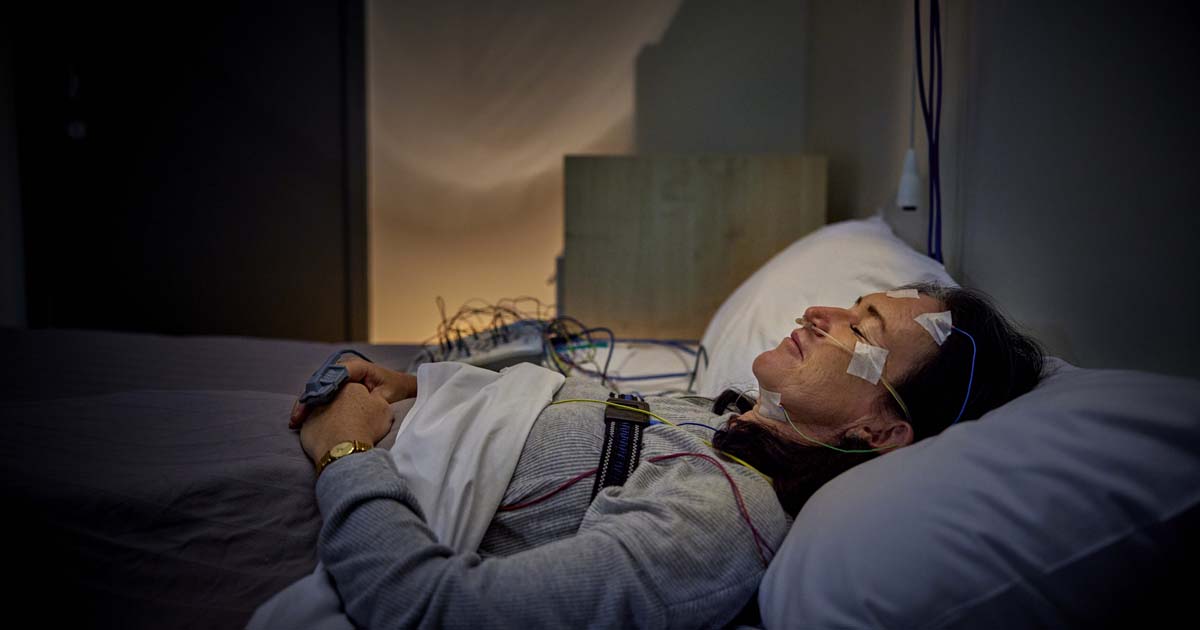
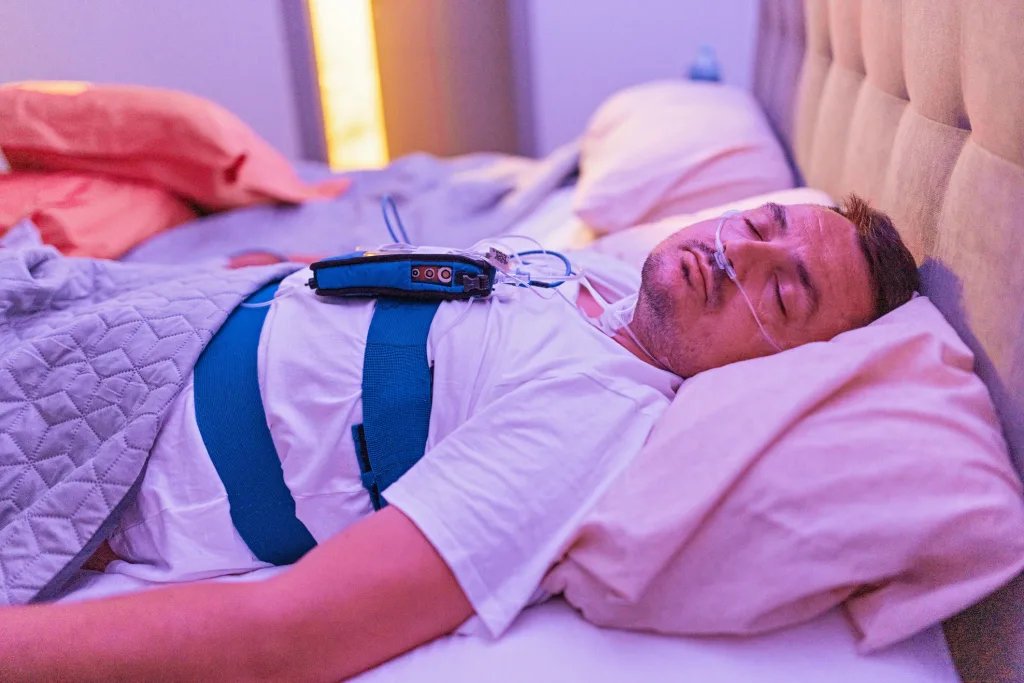
Most people are offered either a home sleep study or an in-clinic overnight study. Home studies are convenient and can be a strong first step for suspected obstructive sleep apnoea.
An in-clinic study is more comprehensive and may be recommended when symptoms are complex, another sleep disorder is suspected, or earlier results were unclear. After the test, results typically include an index of breathing events and oxygen changes, which guides next steps.
If they recognise one or more signs, what should they do next?
They should book an appointment with a GP or a sleep clinic to discuss symptoms and testing options. Bringing a short symptom list helps, including snoring reports, observed breathing pauses, daytime sleepiness, and any relevant medical history.
The goal is simple: confirm what is happening during sleep, then choose a plan that improves breathing and restores proper rest. For many, the difference after proper diagnosis and treatment is not subtle.
FAQs (Frequently Asked Questions)
What is sleep apnoea and why is it important to get tested?
Sleep apnoea is a sleep-related breathing disorder where airflow reduces or stops repeatedly during the night, causing fragmented sleep and drops in oxygen levels. Testing is important because its symptoms can overlap with stress, insomnia, and fatigue. A proper sleep study confirms if sleep apnoea is present, its severity, and helps determine the best treatment.
Is loud and frequent snoring a sign that I should book a sleep apnoea test in Adelaide?
Yes, especially if your snoring is loud, occurs nightly, and has worsened over time. Persistent snoring is a common red flag for sleep apnoea. If others report snoring accompanied by choking, snorting, or gasping sounds, it becomes even more concerning as these reflect airway narrowing typical in obstructive sleep apnoea.
What does it mean if I stop breathing or gasp during sleep?
Stopping breathing or gasping during sleep are clear signs of potential sleep apnoea. Many people don’t remember waking up but partners may notice repeated pauses followed by gasps. If you sleep alone, sudden waking with a racing heart or feeling out of breath can be clues. A sleep study can determine how often these events occur and if oxygen levels drop.
Why do I wake up tired even after a full night’s sleep?
Waking up unrefreshed despite spending 7–9 hours in bed can indicate sleep apnoea. The condition causes repeated micro-arousals that prevent reaching or maintaining deep sleep stages. Over time, this leads to daytime sleepiness, poor concentration, irritability, and increased risk of nodding off during quiet activities.
Are morning headaches, dry mouth, or sore throat signs of sleep apnoea?
Yes, especially if these symptoms happen regularly. Morning headaches may be linked to overnight changes in oxygen and carbon dioxide levels along with disrupted sleep. Dry mouth and sore throat suggest mouth breathing due to partial airway blockage in the nose or throat. Recurring patterns warrant investigation through a sleep apnoea test.
How does sleep apnoea relate to high blood pressure and other health risks?
Sleep apnoea increases cardiovascular strain because the body reacts repeatedly to oxygen drops and disrupted sleep. If you have high blood pressure that’s difficult to control, irregular heart rhythms, or concerns about type 2 diabetes risk, testing for sleep apnoea is advised as it can impact metabolic health and heart function.
… Read MoreRecent Posts
 Home vs. Portable: Can One Oxygen Concentrator Do Both?Home vs. Portable: Can One Oxygen Concentrator Do Both? For many Australians managing chronic respiratory conditions like COPD or emphysema, the quest for the "perfect" oxygen setup often leads to one critical question: Can one oxygen concentrator do […]
 Understanding Your Sleep Study Report: What the Results MeanThis guide explains what those results typically mean, so they can follow the logic of the report before discussing next steps with a clinician. What is a sleep study report actually measuring? A sleep study report explains how they sleep and how their […]
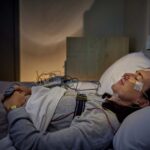 Sleep Apnea Test Adelaide: 5 Signs You Should Book OneIf they live in Adelaide and recognise the signs below, booking a sleep apnoea test is often the fastest way to get clarity and start feeling better. What exactly is sleep apnoea, and why does testing matter? A sleep apnea test Adelaide service is used […]
 Ultimate Guide to Choosing an Oxygen Concentrator in Australia (2026)ntroduction to Modern Oxygen Therapy For many Australians living with chronic respiratory conditions, maintaining an active lifestyle in cities like Sydney requires more than just medical advice—it requires the right technology. An oxygen concentrator is […]
 The Best CPAP Mask Options for New Users and What Makes Them ComfortableSleep apnea disrupts breathing during sleep, causing repeated pauses that prevent restful sleep and strain the cardiovascular system. CPAP therapy delivers continuous pressurized air through a mask, keeping airways open throughout the night and enabling […]
- Oxygen Machine for Home Use: A Complete Guide for First-Time BuyersWhat Is an Oxygen Machine and How Does It Work? An oxygen machine for home use, commonly known as an oxygen concentrator, is a medical device that delivers concentrated oxygen to individuals with respiratory conditions. These respiratory therapy devices […]
 Medical Oxygen at Home: Essential Information on Oxygen Tanks, Machines, and TherapiesIntroduction For individuals with chronic respiratory conditions, such as COPD, asthma, or emphysema, medical oxygen therapy at home is often a critical part of maintaining health and improving quality of life. Whether you need an oxygen machine for […]
 Understanding Sleep Apnea: Causes, Symptoms, and Effective TreatmentsSleep is one of the most vital pillars of good health, but for millions of people, restful sleep is harder to achieve than it should be. One of the most common reasons for poor sleep quality is sleep apnea, a potentially serious sleep disorder that often […]
 Bulk-Bill Sleep Study Brisbane: Affordable Options for LocalsWhat Are Bulk-Bill Sleep Studies and How Do They Work in Brisbane? Bulk-bill sleep study Brisbane services provide you with direct billing to Medicare, eliminating upfront costs for diagnostic testing. When you receive a bulk-bill sleep study, the […]
 Sleep Apnea Test Adelaide: Early Diagnosis for Better HealthWhat Is Sleep Apnea and Why Is Early Diagnosis Important? Sleep apnea is a serious sleep disorder where your breathing repeatedly stops and starts during sleep. This condition affects millions of people worldwide, yet many remain undiagnosed, missing […]