Oxygen Machine for Home Use: A Complete Guide for First-Time Buyers
What Is an Oxygen Machine and How Does It Work?
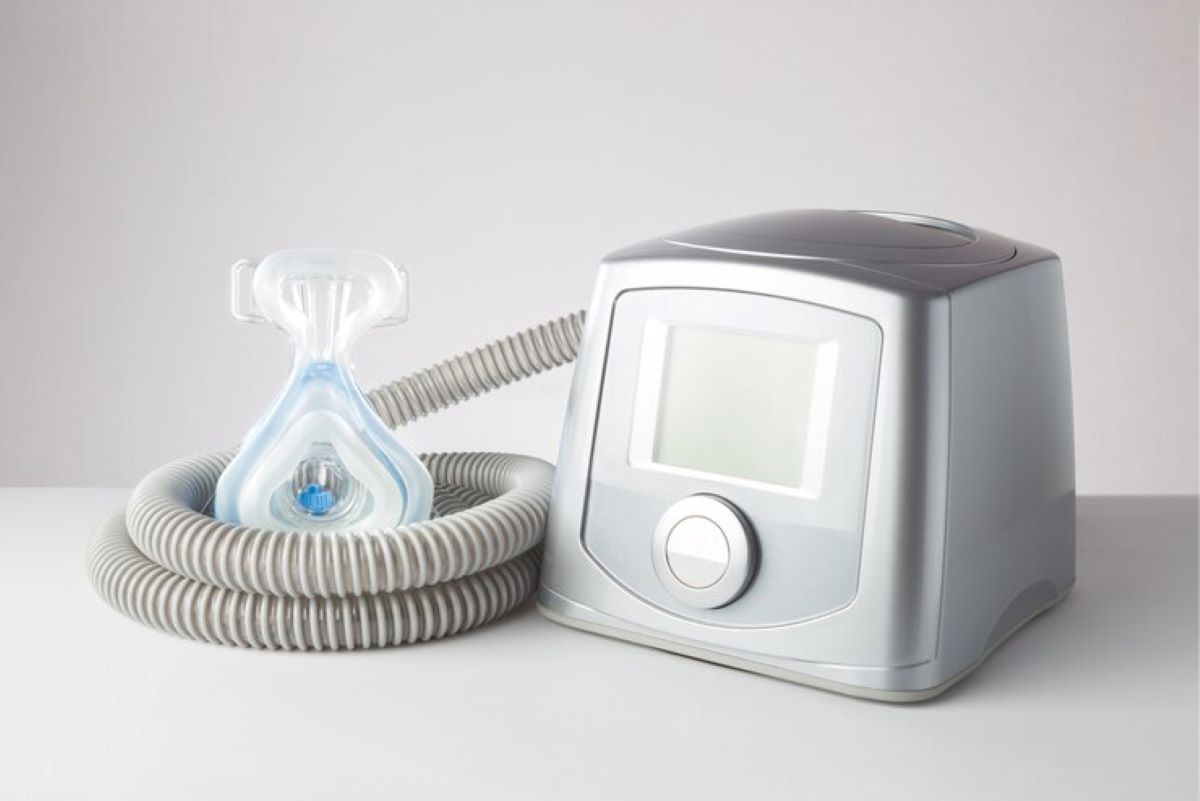
An oxygen machine for home use, commonly known as an oxygen concentrator, is a medical device that delivers concentrated oxygen to individuals with respiratory conditions. These respiratory therapy devices extract oxygen from the surrounding air and provide it at higher concentrations than what’s naturally available, typically delivering medical-grade oxygen at 90-95% purity.
The primary function centers on supporting patients whose lungs cannot adequately absorb oxygen from normal air. Conditions like chronic obstructive pulmonary disease (COPD), emphysema, severe asthma, and pulmonary fibrosis often require supplemental oxygen to maintain healthy blood oxygen saturation levels.
The Oxygen Extraction Process
The An Oxygen Machine for Home Use operates using a sophisticated yet reliable technology known as Pressure Swing Adsorption (PSA). This process converts normal room air—which contains approximately 21% oxygen and 78% nitrogen—into concentrated oxygen suitable for medical therapy.
Here’s how an Oxygen Machine for Home Use extracts oxygen:
• Air intake: The machine draws ambient air through an inlet filter
• Compression: An internal compressor pressurizes the air
• Nitrogen separation: Compressed air passes through zeolite molecular sieves that capture nitrogen molecules
• Oxygen collection: The remaining oxygen-rich gas is collected in a reservoir
• Delivery: Concentrated oxygen is delivered to the patient via tubing connected to a nasal cannula or mask
The zeolite material acts as a highly selective filter, allowing oxygen molecules to pass while trapping nitrogen. Most Oxygen Machines for Home Use utilize dual sieve beds that alternate between oxygen collection and nitrogen release, ensuring a continuous, uninterrupted oxygen supply.
Supporting Blood Oxygen Levels
Medical-grade oxygen plays a critical role in maintaining adequate blood oxygen saturation for respiratory patients. Healthy individuals typically maintain oxygen saturation levels between 95-100%, but those with compromised lung function often drop below this range, leading to hypoxemia.
When blood oxygen levels fall too low, the body’s organs and tissues don’t receive sufficient oxygen to function properly. This oxygen deprivation can cause:
- Shortness of breath and rapid breathing
- Increased heart rate as the body compensates
- Fatigue and confusion
- Bluish discoloration of lips or fingertips (cyanosis)
Why Is It Important to Buy From a Reputable Retailer?
Reputable oxygen concentrator sellers protect your health and legal standing. Trusted retailers require a valid prescription from your healthcare provider before completing any sale, ensuring the device matches your specific medical needs and oxygen flow requirements.
Legal Requirements You Cannot Ignore
Medical-grade oxygen legality demands proper documentation. Oxygen qualifies as a controlled substance under federal regulations, as outlined in this legal document. Purchasing without a prescription violates these laws and exposes buyers to legal consequences. Legitimate sellers verify prescriptions because they understand these requirements protect both parties.
Health Risks of Substandard Equipment
Unverified retailers often sell devices that:
- Fail to maintain consistent oxygen purity levels
- Lack proper safety mechanisms against equipment failure
- Come without manufacturer warranties or support
- May contain counterfeit or expired components
These deficiencies create dangerous situations for patients depending on supplemental oxygen therapy. A malfunctioning concentrator can lead to hypoxemia, where blood oxygen drops to critical levels.
The Prescription Requirement Serves Multiple Purposes
Your doctor’s prescription specifies the exact oxygen flow rate and usage schedule your condition requires. This information guides retailers in recommending appropriate equipment capacity. The prescription also establishes medical necessity for insurance claims and creates a paper trail for warranty service or equipment recalls.
Authorized medical equipment suppliers maintain relationships with manufacturers, providing access to technical support, replacement parts, and service networks. These connections prove invaluable when troubleshooting issues or maintaining your device over its lifespan.
What Are the Differences Between New, Used, and Refurbished Oxygen Machines?
New Oxygen Concentrators
New oxygen concentrators arrive untouched by previous users and typically include manufacturer warranties ranging from one to five years. These machines deliver maximum longevity with minimal repair needs during their early years of operation. Buyers receive the latest technology features, updated safety mechanisms, and full documentation. The higher upfront cost translates to peace of mind through guaranteed performance and comprehensive support from manufacturers.
Used Oxygen Concentrators
Used oxygen concentrators present a middle ground between premium pricing and budget constraints. These units have served previous owners but undergo thorough testing to verify full functionality before resale. Reputable sellers inspect critical components like flow rates, oxygen purity levels, and alarm systems. The reduced price point makes oxygen therapy accessible to patients with limited financial resources, though buyers should expect shorter remaining lifespans compared to new models. Warranty coverage varies significantly—some used units carry limited seller guarantees while others offer no protection against future malfunctions.
Refurbished Oxygen Machines
Refurbished oxygen machines receive professional restoration through replacement of worn components. Technicians commonly replace sieve beds, filters, and other parts that degrade with extended use. This process restores the concentrator to near-original performance standards at a fraction of new equipment costs. Quality refurbishment includes recalibration, cleaning, and comprehensive testing protocols as per the FDA regulatory requirements. Buyers gain access to reliable equipment while saving 30-50% compared to new purchases. Certified refurbished units often include warranties, though coverage periods typically span shorter durations than new machine guarantees.
The choice between new vs used oxygen concentrators depends on individual circumstances:
- Budget availability: New units require larger initial investments
- Expected usage duration: Long-term needs justify new equipment costs
- Risk tolerance: Used machines carry higher uncertainty about future repairs
- Warranty preferences: New concentrators provide strongest protection
Renting Oxygen Concentrators
Renting oxygen concentrators serves patients requiring temporary oxygen support. Short-term medical situations like post-surgical recovery or acute respiratory infections benefit from rental arrangements. Monthly rental fees eliminate large upfront expenses, though extended rental periods eventually exceed purchase costs. Rental companies handle maintenance and repairs, removing technical responsibilities from patients. This cost-effective option works best for needs lasting weeks to a few months rather than permanent oxygen therapy requirements.
Whether you opt for a new or used model, it’s essential to understand the specifics of your situation and the available options including oxygen equipment accessories which can further enhance your treatment experience.
How Can Package Deals Benefit First-Time Buyers?
Package deals combine your oxygen concentrator with essential oxygen concentrator accessories in a single purchase, typically offering better value than buying each item separately. Most bundles include practical items like carrying cases for portability, extra batteries for extended use away from power outlets, and additional charging cables for convenience.
The cost savings on accessories through bundled purchases can be substantial. When retailers package these items together, they often reduce the total price by 15-30% compared to individual purchases. A carrying case alone might cost $50-100 separately, while batteries can run $150-300 each, and spare charging cables typically retail for $30-50. Buying these as a package deal can save first-time buyers $100-200 or more.
Common package inclusions:
- Protective carrying cases or backpacks designed for specific concentrator models
- Spare rechargeable batteries (especially valuable for portable units)
- Extra charging cables and AC/DC power adapters
- Cannulas and tubing for oxygen delivery
- Filters and maintenance supplies
- Travel accessories like car chargers
Shipping costs represent another advantage of package deals. Rather than placing multiple orders and paying separate shipping fees for each accessory, bundled purchases arrive in one shipment. This consolidation saves money and reduces the waiting time to receive all necessary equipment.
Package deals also eliminate the guesswork about compatibility. Retailers curate accessories specifically matched to your concentrator model, ensuring proper fit and function. This removes the risk of ordering incompatible parts and the hassle of returns or exchanges. For first-time buyers unfamiliar with oxygen concentrator accessories, this pre-selected approach provides peace of mind while setting up home oxygen therapy.
Moreover, it’s worth noting that certain medical guidelines suggest specific combinations of equipment and accessories that work best together. By opting for a package deal, first-time buyers can ensure they are following these recommendations while also saving money and time.
When Should Buyers Look for Sales and Promotions?
Knowing when to buy can save you a lot of money on oxygen machines. Here are some key times to look for sales and promotions:
Major Holidays
Holidays like Black Friday, Cyber Monday, and Memorial Day are great opportunities to find significant discounts on oxygen machines from medical equipment retailers. During these times, you can expect savings ranging from 10% to 30% off regular prices.
Seasonal Clearance Events
Medical supply companies often have clearance events when new models come out. This is when they discount older models to make room for the new ones. If you’re looking for a budget-friendly option, this is a good time to buy as you can get quality equipment at reduced rates without sacrificing functionality.
Promotional Offers
In addition to price reductions, some retailers offer promotional offers that include valuable services with your purchase. These offers can include:
- Free pulmonary rehabilitation courses (valued at $200-$500)
- Extended warranty coverage at no additional cost
- Complimentary maintenance kits including filters and tubing
- No-interest financing for qualified buyers
These incentives not only save you money but also improve your health outcomes by providing professional guidance on managing your oxygen therapy. Click here to get more about the best CPAP mask options for new users and what makes them comfortable.
How to Stay Informed About Upcoming Deals
To take advantage of these sales and promotions, it’s important to stay informed about upcoming deals. Here are some strategies to help you:
Subscribe to Email Newsletters
Consider signing up for email newsletters from reputable oxygen equipment suppliers. They often send advance notice of sales and exclusive discount codes to subscribers before making public announcements.
Follow Social Media Channels
Follow manufacturers and authorized distributors of oxygen machines on social media platforms like Facebook and Twitter. This way, you’ll receive real-time updates on flash sales and limited-time promotions directly in your feed.
Use Price Tracking Tools
Consider using price tracking tools or browser extensions that can monitor specific oxygen concentrator models you’re interested in. These tools can send alerts when prices drop below a certain threshold, saving you the hassle of constantly checking manually.
Join Medical Equipment Forums
Participate in online communities or forums dedicated to medical equipment discussions such as those found on iMedicalApps. Fellow oxygen therapy users often share information about current promotions they’ve come across, creating a collaborative environment for finding the best prices. Read more about health app.
Contact Retailers Directly
Don’t hesitate to reach out directly to retailers and inquire about any upcoming sales or planned promotions. Sales representatives may be willing to provide insider information or offer notifications when specific models go on sale.
By being proactive in your search for deals and staying connected with industry sources, you’ll increase your chances of finding the best prices on oxygen machines while also benefiting from additional services that enhance your therapy experience.
What Financing Options Are Available for Purchasing Oxygen Machines?
Financing oxygen concentrators through monthly payment plans makes medical equipment accessible to patients who cannot afford upfront costs. Many medical equipment suppliers partner with financing companies to offer installment plans, typically ranging from 6 to 36 months depending on the purchase price and buyer’s creditworthiness.
These monthly payment plans break down the total cost into manageable amounts, allowing patients to start oxygen therapy immediately rather than delaying treatment while saving money. A $2,000 concentrator might translate to $85-$100 per month over 24 months, making it easier to budget alongside other medical expenses and household bills.
The total price remains the same or slightly higher due to interest charges, yet the immediate affordability options provide crucial breathing room for household finances. Patients can allocate existing funds toward other medical needs, prescriptions, or daily living expenses while still obtaining necessary oxygen equipment.
Key Factors to Evaluate Before Committing
Interest rates and APR vary significantly between financing providers. Some medical equipment retailers offer 0% interest promotional periods, while others charge rates between 5-25% depending on credit scores. Calculate the total amount paid over the financing period to understand true costs.
Payment schedule flexibility matters when income fluctuates. Look for plans that allow:
- Early payoff without penalties
- Grace periods for missed payments
- Options to adjust payment dates
- Ability to refinance if financial situations change
Credit requirements differ across financing companies. Some approve applicants with fair credit scores (580-669), while others require good to excellent credit (670+). Alternative financing through healthcare credit cards like CareCredit may offer approval when traditional financing denies applications.
Read all contract terms carefully, noting any hidden fees, late payment penalties, or clauses that could increase costs unexpectedly. Request written documentation of all financing terms before signing agreements.
How Can Buyers Balance Medical Needs with Budget Constraints?
Choosing the right oxygen machine starts with your doctor’s prescription and clinical assessment. Healthcare specialists determine the exact oxygen flow rate, delivery method (continuous or pulse dose), and usage hours required for your condition. These specifications are non-negotiable—purchasing a machine that doesn’t meet your medical requirements can worsen your health condition and waste money.
Working with Your Healthcare Team
Your pulmonologist or respiratory therapist provides the technical specifications you need. They evaluate factors like your blood oxygen saturation levels, activity patterns, and whether you need oxygen during sleep, exercise, or both. Request a written prescription that includes flow rate requirements and portability needs. This document becomes your shopping guide and is legally required by reputable retailers.
Creating a Realistic Budget Framework
Medical requirements compliance must come first when assessing personal budget constraints. Start by identifying the minimum specifications your doctor prescribed, then research machines meeting those standards across different price points. New portable concentrators typically range from $1,500 to $3,500, while stationary units cost $600 to $2,000.
Budget considerations should account for:
- Initial purchase price of the concentrator
- Accessories like extra batteries, carrying cases, and tubing
- Maintenance costs including filter replacements and annual servicing
- Electricity expenses for running the device
- Warranty coverage to protect against repair costs
Prioritizing Quality Without Overspending
Safety standards cannot be compromised for lower prices. Look for FDA-approved devices from established manufacturers. Certified refurbished units from reputable medical equipment suppliers offer quality at reduced prices—these machines have been professionally tested and restored to meet original specifications.
Compare warranty terms carefully. A slightly more expensive machine with a three-year warranty often provides better long-term value than a cheaper model with minimal coverage.
Staying Within Legal Boundaries
Legal regulations require purchasing medical oxygen equipment through licensed distributors who verify your prescription. Avoid sellers offering concentrators without prescription verification—these transactions violate federal law and may involve substandard equipment. Insurance coverage often requires documentation proving you purchased from an approved medical equipment provider.
Request certificates of compliance and FDA registration numbers from any retailer. Legitimate suppliers readily provide this documentation and answer questions about their authorization
What Is an Oxygen Machine and How Does It Work? An oxygen machine for home use, commonly known as an oxygen concentrator, is a medical device that delivers concentrated oxygen to individuals with respiratory conditions. These respiratory therapy devices extract oxygen from the surrounding air and provide it at higher concentrations than what’s naturally available,…
Recent Posts
 Home vs. Portable: Can One Oxygen Concentrator Do Both?Home vs. Portable: Can One Oxygen Concentrator Do Both? For many Australians managing chronic respiratory conditions like COPD or emphysema, the quest for the “perfect” oxygen setup often leads to one critical question: Can one oxygen […]
 Understanding Your Sleep Study Report: What the Results MeanThis guide explains what those results typically mean, so they can follow the logic of the report before discussing next steps with a clinician. What is a sleep study report actually measuring? A sleep study report explains how they sleep and how their […]
 Sleep Apnea Test Adelaide: 5 Signs You Should Book OneIf they live in Adelaide and recognise the signs below, booking a sleep apnoea test is often the fastest way to get clarity and start feeling better. What exactly is sleep apnoea, and why does testing matter? A sleep apnea test Adelaide service is used […]
 Ultimate Guide to Choosing an Oxygen Concentrator in Australia (2026)ntroduction to Modern Oxygen Therapy For many Australians living with chronic respiratory conditions, maintaining an active lifestyle in cities like Sydney requires more than just medical advice—it requires the right technology. An oxygen concentrator is […]
 The Best CPAP Mask Options for New Users and What Makes Them ComfortableSleep apnea disrupts breathing during sleep, causing repeated pauses that prevent restful sleep and strain the cardiovascular system. CPAP therapy delivers continuous pressurized air through a mask, keeping airways open throughout the night and enabling […]
- Oxygen Machine for Home Use: A Complete Guide for First-Time BuyersWhat Is an Oxygen Machine and How Does It Work? An oxygen machine for home use, commonly known as an oxygen concentrator, is a medical device that delivers concentrated oxygen to individuals with respiratory conditions. These respiratory therapy devices […]
 Medical Oxygen at Home: Essential Information on Oxygen Tanks, Machines, and TherapiesIntroduction For individuals with chronic respiratory conditions, such as COPD, asthma, or emphysema, medical oxygen therapy at home is often a critical part of maintaining health and improving quality of life. Whether you need an oxygen machine for […]
 Understanding Sleep Apnea: Causes, Symptoms, and Effective TreatmentsSleep is one of the most vital pillars of good health, but for millions of people, restful sleep is harder to achieve than it should be. One of the most common reasons for poor sleep quality is sleep apnea, a potentially serious sleep disorder that often […]
 Bulk-Bill Sleep Study Brisbane: Affordable Options for LocalsWhat Are Bulk-Bill Sleep Studies and How Do They Work in Brisbane? Bulk-bill sleep study Brisbane services provide you with direct billing to Medicare, eliminating upfront costs for diagnostic testing. When you receive a bulk-bill sleep study, the […]
 Sleep Apnea Test Adelaide: Early Diagnosis for Better HealthWhat Is Sleep Apnea and Why Is Early Diagnosis Important? Sleep apnea is a serious sleep disorder where your breathing repeatedly stops and starts during sleep. This condition affects millions of people worldwide, yet many remain undiagnosed, missing […]