
The Best CPAP Mask Options for New Users and What Makes Them Comfortable
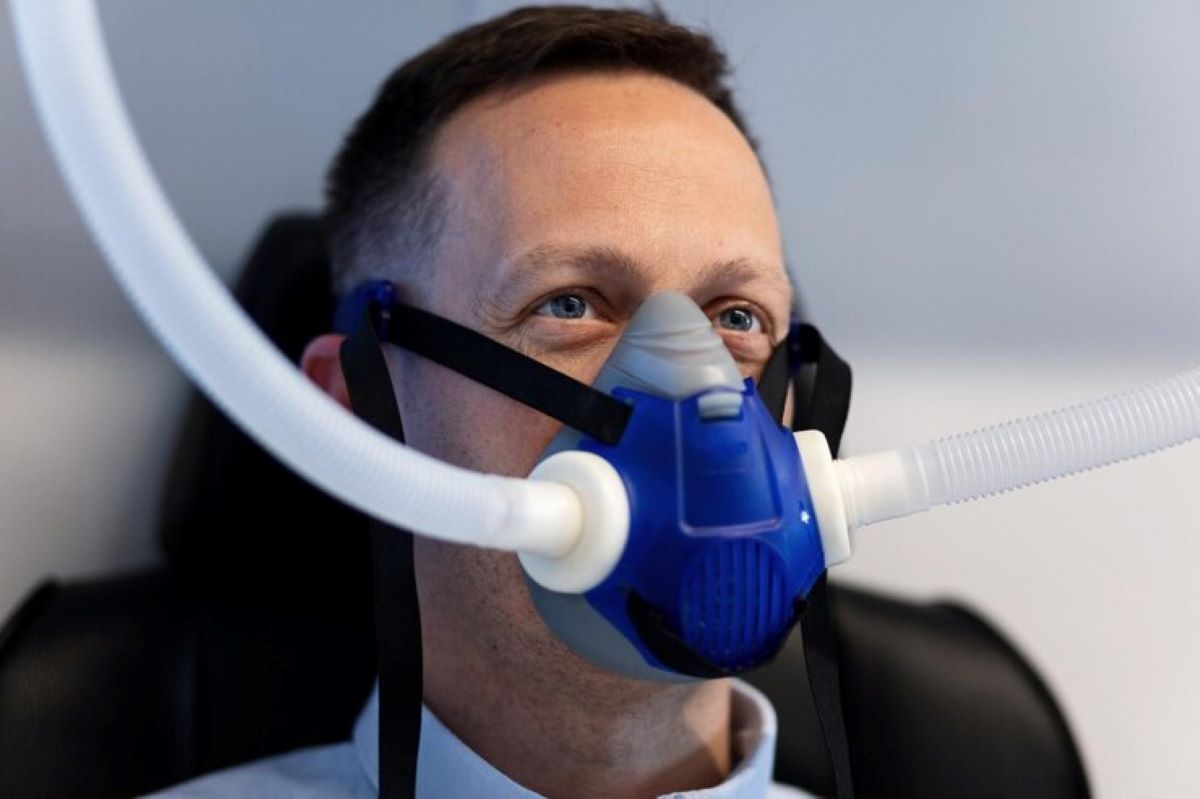
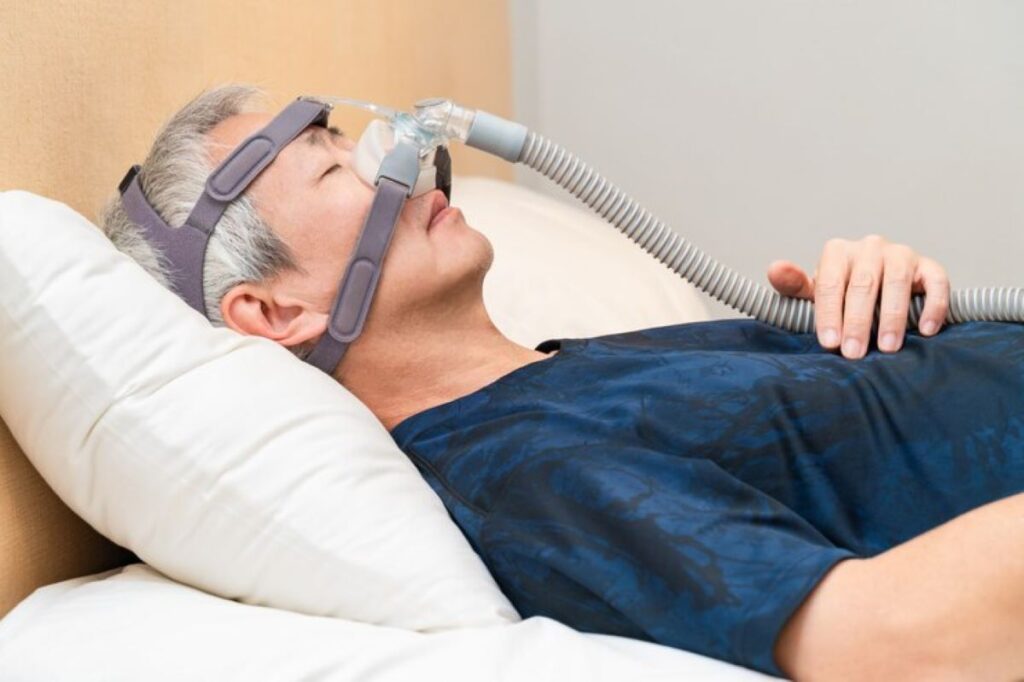
Sleep apnea disrupts breathing during sleep, causing repeated pauses that prevent restful sleep and strain the cardiovascular system. CPAP therapy delivers continuous pressurized air through a mask, keeping airways open throughout the night and enabling uninterrupted breathing.
The mask serves as the critical connection point between the machine and the user. New CPAP users often struggle with therapy because they haven’t found the right mask for their needs. A poorly fitting or uncomfortable mask leads to air leaks, skin irritation, and restless nights—problems that quickly discourage people from continuing treatment.
Comfort directly determines whether someone will stick with CPAP therapy. Studies show that users who find their masks comfortable are significantly more likely to use their devices consistently. The right mask should feel secure without causing pressure points, match individual breathing patterns, and accommodate personal sleep habits.
Finding the best CPAP mask options for new users requires understanding how different designs work with various face shapes, sleeping positions, and breathing styles. The journey to successful sleep apnea therapy begins with selecting a mask that feels natural rather than intrusive. When new CPAP users prioritize CPAP comfort from the start, they set themselves up for better sleep quality and improved long-term health outcomes.
What Are the Main Types of CPAP Masks Available for New Users?
New users can choose from four primary CPAP mask types, each designed to address specific breathing patterns and comfort preferences. Understanding these options helps match the right mask to individual needs from the start.
1. Nasal Pillow Masks
Nasal pillow masks feature small, soft cushions that seal directly at the nostrils without covering the nose. This lightweight design minimizes facial contact, making them ideal for people who feel claustrophobic, wear glasses to bed, or have facial hair that interferes with larger mask seals. Side sleepers particularly appreciate how these masks avoid bulk that might press into pillows.
2. Nasal Masks
Nasal masks cover the entire nose with a triangular cushion held in place by adjustable headgear. These work best for nose breathers who need higher pressure settings, as the broader seal distributes air pressure more evenly across the nasal area. Active sleepers benefit from the secure fit that stays in place during movement.
3. Full-Face Masks
Full-face masks (oronasal masks) seal around both the nose and mouth, delivering therapy regardless of whether you breathe through your nose, mouth, or both. Mouth breathers, people with chronic nasal congestion, and those experiencing air leaks with smaller masks find these most effective, despite the larger profile.
4. Hybrid Masks
Hybrid masks combine nasal pillow technology with mouth coverage, offering a middle ground between full-face bulk and nasal pillow minimalism. This design suits mouth breathers seeking less facial coverage than traditional full-face options provide.
How Do Breathing Habits Influence the Choice of CPAP Mask?
Your natural breathing pattern during sleep directly determines which CPAP mask will work best for you.
Nose Breathers
Nose breathers can comfortably use nasal pillow masks or standard nasal masks since they naturally keep their mouths closed throughout the night, allowing the pressurized air to flow exclusively through nasal passages.
Mouth Breathers
Mouth breathers face different requirements entirely. If you breathe through your mouth during sleep—whether habitually or due to nasal congestion, allergies, or deviated septum—nasal-only masks will fail to deliver therapy effectively. Air escapes through the open mouth, creating mouth leaks that reduce pressure levels and compromise treatment quality.
The Importance of Full-Face Masks
Full-face masks become essential for mouth breathers because they seal around both the nose and mouth, ensuring pressurized air reaches your airway regardless of breathing pattern. Hybrid masks offer a lighter alternative while still accommodating mouth breathing, combining nasal pillows with a mouth cushion for complete coverage without the bulk.
The Impact of Mouth Leaks
The impact of mouth leaks extends beyond comfort concerns:
- Reduced therapy effectiveness as prescribed pressure levels drop
- Dry mouth and throat irritation from constant air exposure
- Disrupted sleep quality from mask noise and air turbulence
- Lower treatment compliance due to discomfort
Considerations for Chronic Nasal Congestion
Users experiencing chronic nasal congestion should consider full-face or hybrid options even if they typically breathe through their nose, as nighttime stuffiness can force mouth breathing and create unexpected leaks.
How Do Sleeping Positions Affect CPAP Mask Comfort and Fit?
Your preferred sleeping position directly determines which mask design will stay secure throughout the night. Side sleepers typically experience the most challenges with bulkier masks that press into pillows, causing air leaks and discomfort.
CPAP Masks for Side Sleepers
Side sleepers benefit most from nasal pillow masks because their low-profile design sits below the pillow line. These minimal masks eliminate the bulk that pushes against bedding, preventing the seal disruption that larger masks experience. The compact footprint allows natural head positioning without compromising therapy pressure delivery. However, side sleeping can also create specific pressure points that affect long-term comfort, requiring cushions that distribute pressure evenly.
CPAP Masks for Back Sleepers
Back sleepers have more flexibility in mask selection since gravity naturally helps maintain seal contact. Full-face masks and traditional nasal masks work well for this position, though securing proper headgear tension remains important. The stable position reduces shifting that could break the seal, making these sleepers ideal candidates for masks with broader cushion contact.
CPAP Masks for Stomach Sleepers
Stomach sleepers face similar challenges to side sleepers, needing ultra-minimal designs that won’t dislodge during movement. These individuals often require specific adjustments to their CPAP therapy to accommodate their unique sleeping posture.
The Impact of Sleep Position on Mask Stability
Mask stability depends on how your sleep position interacts with headgear straps. Active sleepers who change positions frequently need adjustable straps that maintain consistent tension across different angles, preventing both overtightening and seal breaks during natural nighttime movement.
For those experiencing discomfort due to shoulder pain while trying to adjust their sleeping position for better CPAP mask fit, exploring strategies on how to sleep with shoulder pain might provide some relief. Additionally, understanding the best sleeping position for sleep apnea can further enhance the effectiveness of CPAP therapy by promoting better airflow and reducing symptoms during sleep.
Other Resources : Management of obstructive sleep apnoea in primary care
How Do Facial Features and Accessories Impact Mask Selection?
1. Facial Hair: Choosing the Right CPAP Mask
For individuals with facial hair, selecting the appropriate CPAP mask becomes crucial. Beards and mustaches can create gaps between the mask cushion and the skin, compromisiasdng the seal necessary for effective therapy. Men with facial hair often discover that nasal pillow masks are the most suitable option since they provide a direct seal at the nostrils instead of across the upper lip or cheeks where hair grows. This design effectively avoids the common leak points that frustrate users of traditional nasal or full-face masks.
2. Glasses Wearers: Finding Compatible CPAP Masks
Glasses wearers have specific requirements when it comes to choosing CPAP masks. Designs that minimize contact with the face and strategically place straps are beneficial in this case. Masks featuring top-of-head harnessing or those that avoid the bridge of the nose prevent interference with eyeglass frames during activities such as bedtime reading or watching TV. Nasal pillow masks excel in this aspect by leaving the face mostly unobstructed, allowing users to comfortably wear glasses before removing them for sleep.
3. Addressing Claustrophobia: Masks for Comfort
Claustrophobia concerns can be alleviated by opting for masks that provide less coverage on the face and maintain an open field of vision. Users who feel confined by traditional full-face masks tend to respond better to:
- Nasal pillow designs that only make contact with the nostrils
- Lightweight frames that reduce the sensation of wearing equipment
- Clear sight lines that prevent a “closed-in” feeling
4. Adapting to Face Shape Variations
Variations in face shape, such as narrow or wide bridges, prominent cheekbones, or recessed features, necessitate cushion designs that can adapt to individual contours. Masks equipped with flexible silicone cushions and multiple sizing options are capable of accommodating these differences, thereby preventing pressure sores and ensuring a consistent seal throughout the night.
Why Is Proper Sizing and Fit Crucial for Comfort in CPAP Masks?
Does an improperly sized mask affect therapy success?
Yes—incorrect CPAP mask fit leads to air leaks that compromise therapy pressure, reducing treatment effectiveness and causing sleep disruptions. Leaks also create irritating noise and dry out eyes or skin from escaping air streams. A properly sized mask maintains consistent seal contact throughout the night, delivering prescribed pressure levels without interruption.
How do adjustable components improve individual comfort?
Adjustable straps CPAP systems feature multiple adjustment points on headgear, allowing users to customize tension distribution across their head and face. These straps prevent the mask from being too loose (causing leaks) or too tight (creating painful pressure marks). Cushions come in various sizes—small, medium, large, and sometimes wide options—to accommodate different facial dimensions. Users often need to try multiple cushion sizes even within the same mask model to find their optimal fit.
What cushion materials affect skin comfort during nightly use?
Silicone cushions dominate CPAP mask design because they’re hypoallergenic, durable, and create reliable seals against skin. Silicone remains flexible across temperature changes and resists degradation from oils and cleaning products. Some manufacturers offer gel-infused cushions that feel cooler and softer against sensitive skin. Memory foam alternatives provide gentler contact for users prone to skin irritation, though they require more frequent replacement than silicone options.
What Features Make a CPAP Mask Comfortable for New Users?
Comfortable CPAP masks prioritize lightweight construction that minimizes facial pressure, making them easier for beginners to tolerate throughout the night. Masks weighing less than 2-3 ounces reduce the sensation of wearing medical equipment, helping new users forget they’re even using therapy. This lightweight design CPAP approach directly addresses one of the most common complaints from first-time users: the feeling of being weighed down.
Minimal facial contact transforms the experience for those with sensitive skin or claustrophobia concerns. Nasal pillow masks excel here by touching only the nostrils, leaving the rest of the face free. This design reduces skin irritation, prevents pressure sores, and creates an open feeling that helps anxious users breathe easier psychologically and physically.
Strap placement makes the difference between restful sleep and constant adjustments. The best CPAP mask options for new users and what makes them comfortable include headgear that distributes tension across the crown and back of the head rather than pulling directly on facial areas. Strategic positioning keeps straps away from:
- Temples and forehead regions prone to pressure headaches
- Eye areas that cause vision obstruction
- Cheekbones where compression creates discomfort
- Jaw joints that can ache from sustained pressure
Masks with quick-release clips allow users to remove the mask briefly without completely disassembling the headgear, adding convenience during bathroom trips or water breaks.
Moreover, it’s essential to consider how your sleep position affects your choice of CPAP mask. Different sleep positions may require different types of masks for optimal comfort and effectiveness. You may like to visit https://mhsblogs.com/oxygen-machine-for-home-use-a-complete-guide-for-first-time-buyers/ to get more about a complete guide for first-time buyers of oxygen machine for home use.
How Can New Users Adapt to Their CPAP Masks More Easily?
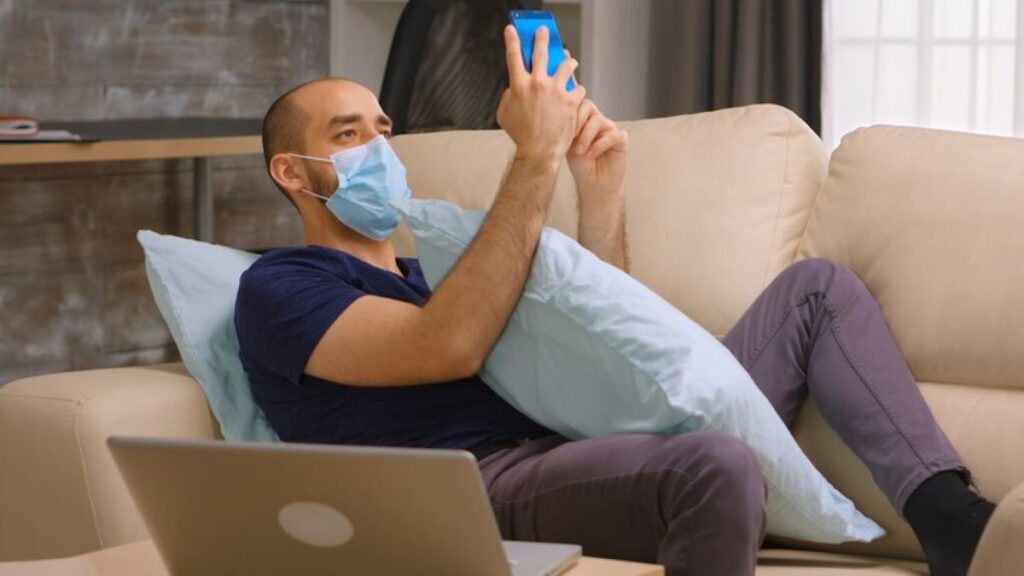
Acclimating to CPAP mask use becomes significantly easier when new users practice wearing their equipment during waking hours. Sitting on the couch while watching television or reading with the mask on helps the brain and body become familiar with the sensation without the pressure of trying to fall asleep. This daytime practice reduces anxiety and builds confidence before bedtime therapy begins.
New user tips CPAP comfort start with professional guidance from healthcare providers and CPAP suppliers who can adjust settings, recommend different cushion sizes, or suggest alternative mask styles if initial choices cause discomfort. These experts understand common adjustment challenges and offer solutions tailored to individual concerns, from pressure settings that feel too strong to straps that leave marks.
The adaptation timeline varies for each person, typically spanning several weeks. Some users feel comfortable within days, while others need a month or longer to fully adjust. Gradual exposure works better than forcing immediate all-night use—starting with one hour per night and incrementally increasing duration allows the body to adapt naturally.
Key strategies for successful adaptation include:
- Keeping a sleep journal to track comfort levels and identify specific issues
- Adjusting headgear tension to find the balance between secure fit and comfort
- Using mask liners or pads to reduce skin irritation during the break-in period
- Scheduling follow-up appointments to address persistent problems before frustration builds
What Additional Factors Should New Users Consider When Choosing a CPAP Mask?
Cleaning CPAP masks regularly keeps therapy hygienic and extends equipment lifespan. Daily wipe-downs with unscented soap and water remove oils and debris, while weekly deep cleaning prevents bacterial buildup. Most manufacturers recommend replacing cushions every 1-3 months and full masks every 6-12 months, depending on wear patterns and cleaning frequency.
Backup masks sleep apnea users keep on hand serve multiple purposes beyond emergencies. A second mask allows continuous therapy while the primary mask dries after cleaning, preventing rushed or incomplete drying that can harbor bacteria. Backup options also provide alternatives when facial swelling, skin irritation, or seasonal allergies temporarily make the primary mask uncomfortable. Many users rotate between two different mask styles to reduce pressure point fatigue.
Insurance coverage CPAP masks typically follows specific guidelines that new users should understand before purchasing. Most plans cover one mask per calendar year, with some allowing cushion replacements every 3-6 months. Coverage amounts vary between $50-$200 depending on mask type and insurance terms. Purchasing from authorized retailers ensures compliance with regulatory requirements and maintains warranty protection, while unauthorized sellers may offer non-compliant or counterfeit products that insurance won’t cover. Documentation from sleep studies and physician prescriptions remains necessary for insurance claims, making coordination with healthcare providers essential for maximizing benefits.
Conclusion
Finding the best CPAP masks for new users starts with professional support. Sleep specialists and CPAP suppliers offer personalized fitting sessions, troubleshooting for leaks or discomfort, and recommendations based on your breathing patterns and sleep habits. Comfortable sleep apnea therapy requires patience during the adjustment period—most users need several weeks to adapt fully.
Don’t hesitate to try multiple mask styles if your first choice feels uncomfortable. Your healthcare team can guide you through options until you discover what works best. Success with the best CPAP mask options for new users and what makes them comfortable comes from combining expert guidance with your willingness to experiment and communicate openly about challenges you face during treatment.
Sleep apnea disrupts breathing during sleep, causing repeated pauses that prevent restful sleep and strain the cardiovascular system. CPAP therapy delivers continuous pressurized air through a mask, keeping airways open throughout the night and enabling uninterrupted breathing. The mask serves as the critical connection point between the machine and the user. New CPAP users often…
Recent Posts
 Home vs. Portable: Can One Oxygen Concentrator Do Both?Home vs. Portable: Can One Oxygen Concentrator Do Both? For many Australians managing chronic respiratory conditions like COPD or emphysema, the quest for the “perfect” oxygen setup often leads to one critical question: Can one oxygen […]
 Understanding Your Sleep Study Report: What the Results MeanThis guide explains what those results typically mean, so they can follow the logic of the report before discussing next steps with a clinician. What is a sleep study report actually measuring? A sleep study report explains how they sleep and how their […]
 Sleep Apnea Test Adelaide: 5 Signs You Should Book OneIf they live in Adelaide and recognise the signs below, booking a sleep apnoea test is often the fastest way to get clarity and start feeling better. What exactly is sleep apnoea, and why does testing matter? A sleep apnea test Adelaide service is used […]
 Ultimate Guide to Choosing an Oxygen Concentrator in Australia (2026)ntroduction to Modern Oxygen Therapy For many Australians living with chronic respiratory conditions, maintaining an active lifestyle in cities like Sydney requires more than just medical advice—it requires the right technology. An oxygen concentrator is […]
 The Best CPAP Mask Options for New Users and What Makes Them ComfortableSleep apnea disrupts breathing during sleep, causing repeated pauses that prevent restful sleep and strain the cardiovascular system. CPAP therapy delivers continuous pressurized air through a mask, keeping airways open throughout the night and enabling […]
- Oxygen Machine for Home Use: A Complete Guide for First-Time BuyersWhat Is an Oxygen Machine and How Does It Work? An oxygen machine for home use, commonly known as an oxygen concentrator, is a medical device that delivers concentrated oxygen to individuals with respiratory conditions. These respiratory therapy devices […]
 Medical Oxygen at Home: Essential Information on Oxygen Tanks, Machines, and TherapiesIntroduction For individuals with chronic respiratory conditions, such as COPD, asthma, or emphysema, medical oxygen therapy at home is often a critical part of maintaining health and improving quality of life. Whether you need an oxygen machine for […]
 Understanding Sleep Apnea: Causes, Symptoms, and Effective TreatmentsSleep is one of the most vital pillars of good health, but for millions of people, restful sleep is harder to achieve than it should be. One of the most common reasons for poor sleep quality is sleep apnea, a potentially serious sleep disorder that often […]
 Bulk-Bill Sleep Study Brisbane: Affordable Options for LocalsWhat Are Bulk-Bill Sleep Studies and How Do They Work in Brisbane? Bulk-bill sleep study Brisbane services provide you with direct billing to Medicare, eliminating upfront costs for diagnostic testing. When you receive a bulk-bill sleep study, the […]
 Sleep Apnea Test Adelaide: Early Diagnosis for Better HealthWhat Is Sleep Apnea and Why Is Early Diagnosis Important? Sleep apnea is a serious sleep disorder where your breathing repeatedly stops and starts during sleep. This condition affects millions of people worldwide, yet many remain undiagnosed, missing […]