Tag: sleep apnea
Understanding Sleep Apnea: Causes, Symptoms, and Effective Treatments
Sleep is one of the most vital pillars of good health, but for millions of people, restful sleep is harder to achieve than it should be. One of the most common reasons for poor sleep quality is sleep apnea, a potentially serious sleep disorder that often goes undiagnosed.
If you’ve ever been told you snore loudly, gasp for air during sleep, or feel unusually tired during the day, sleep apnea might be the cause. In this article, we’ll explore what sleep apnea is, its causes, symptoms, and the most effective treatment options — from simple lifestyle changes to advanced therapies.
What Is Sleep Apnea?
Sleep apnea is a sleep disorder where a person’s breathing repeatedly stops and starts during sleep. These pauses can last from a few seconds to a minute and may occur dozens of times throughout the night.
There are three main types of sleep apnea:
- Obstructive Sleep Apnea (OSA) – The most common type, caused by blockage of the airway due to relaxed throat muscles.
- Central Sleep Apnea (CSA) – Occurs when the brain fails to send the proper signals to muscles controlling breathing.
- Complex or Mixed Sleep Apnea – A combination of both obstructive and central sleep apnea.
Regardless of the type, the result is the same — disrupted sleep and reduced oxygen levels that can impact overall health.
The Hidden Dangers of Sleep Apnea
While many people dismiss snoring as harmless, untreated sleep apnea can lead to serious health complications, including:
- High blood pressure and heart disease
- Stroke or irregular heart rhythms
- Type 2 diabetes
- Chronic fatigue and mood disorders
- Cognitive decline and memory problems
When breathing repeatedly stops during the night, oxygen levels drop, forcing the heart and brain to work harder. Over time, this strain can significantly increase the risk of cardiovascular and metabolic diseases.
Common Causes of Sleep Apnea
Sleep apnea can affect anyone, but certain factors increase your risk. Here are the most common causes and risk factors:
1. Excess Weight
Carrying extra fat around the neck can narrow the airway, making it harder to breathe at night. Obesity is one of the leading causes of obstructive sleep apnea.
2. Anatomical Factors
Some people naturally have smaller airways, enlarged tonsils, or a thick neck structure, which can restrict airflow during sleep.
3. Age and Gender
Sleep apnea is more common in men and tends to increase with age, although women are also at risk, especially after menopause.
4. Family History
A family history of sleep apnea can increase your chances of developing the condition, particularly if similar facial or airway structures are inherited.
5. Lifestyle Habits
Smoking, alcohol consumption, and sedative use relax throat muscles, making airway collapse more likely during sleep.
6. Medical Conditions
Certain conditions like nasal congestion, hypothyroidism, and neuromuscular disorders can contribute to airway obstruction or irregular breathing patterns.
Recognizing the Symptoms of Sleep Apnea
Sleep apnea often goes undetected because the person affected may not remember waking up throughout the night. However, common symptoms include:
- Loud, chronic snoring
- Pauses in breathing observed by a partner
- Gasping or choking during sleep
- Daytime fatigue or falling asleep during routine activities
- Morning headaches
- Irritability, mood swings, or depression
- Poor concentration and memory problems
If you or your partner notice these signs, it’s important to consult a doctor or sleep specialist for further evaluation.
Diagnosing Sleep Apnea: The Role of Sleep Studies
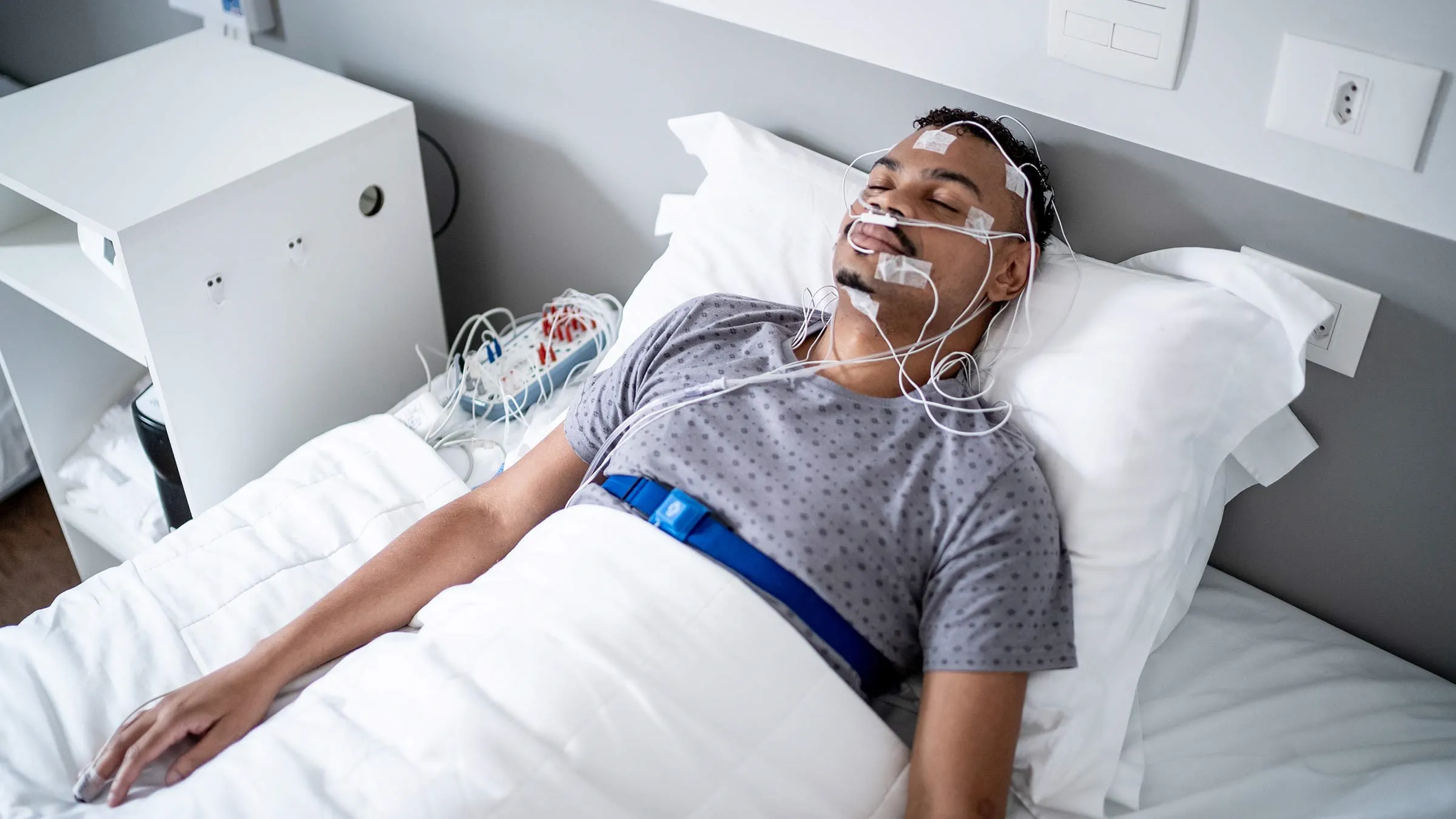
A sleep study (also known as polysomnography) is the gold standard for diagnosing sleep apnea. This test can be done either at a sleep clinic or through an at-home sleep test.
In-Lab Sleep Study
During a clinic-based sleep study, sensors are attached to monitor:
- Breathing patterns
- Brain activity (EEG)
- Oxygen levels
- Heart rate
- Leg and eye movements
At-Home Sleep Test
For mild to moderate cases, doctors may recommend a simplified home-based version that records breathing, oxygen, and airflow data overnight.
Both methods help determine the severity of sleep apnea and guide treatment options.
Effective Treatments for Sleep Apnea
Treatment depends on the type and severity of your sleep apnea, but the goal is always the same — to keep your airway open and improve oxygen flow during sleep. Let’s explore the most effective options.
1. CPAP Therapy (Continuous Positive Airway Pressure)
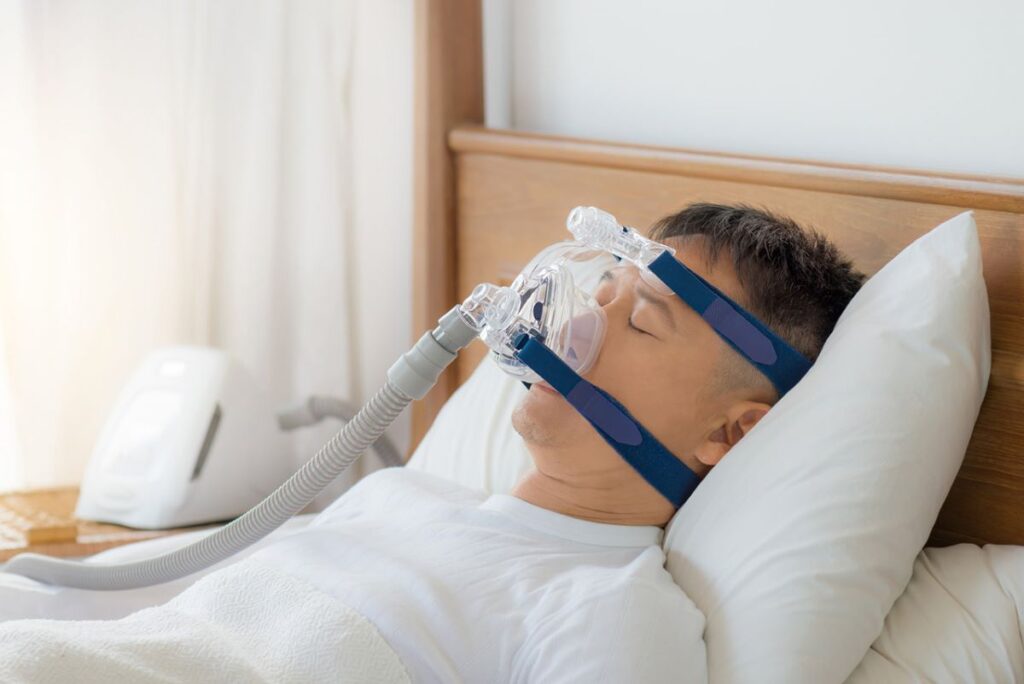
The CPAP machine is the most common and effective treatment for obstructive sleep apnea. It delivers a steady stream of air through a mask, preventing airway collapse.
Benefits of CPAP therapy:
- Reduces snoring and daytime sleepiness
- Improves sleep quality and energy levels
- Decreases the risk of heart disease and high blood pressure
Though it can take time to adjust, most users experience significant improvement within days.
2. Oral Appliances
For mild to moderate sleep apnea, oral appliances are a great alternative to CPAP. These custom-fitted devices reposition the jaw and tongue to keep the airway open.
They’re ideal for people who travel frequently or find CPAP masks uncomfortable.
3. Lifestyle Modifications
Simple lifestyle changes can have a big impact on managing sleep apnea symptoms:
- Lose excess weight to reduce pressure on the airway
- Sleep on your side instead of your back
- Avoid alcohol and sedatives before bedtime
- Quit smoking, as it increases inflammation and airway swelling
- Maintain a regular sleep schedule
4. Surgery
In severe or treatment-resistant cases, surgery may be recommended to remove or reduce tissue blocking the airway. Common procedures include uvulopalatopharyngoplasty (UPPP), nasal surgery, or jaw repositioning.
5. Emerging Treatments
Modern medicine continues to advance sleep apnea care. Inspire therapy, a newer treatment, uses a small implanted device that stimulates airway muscles to prevent collapse — offering a high-tech alternative to traditional methods.
Living Well with Sleep Apnea
Managing sleep apnea isn’t just about better sleep — it’s about improving your quality of life. With the right treatment and lifestyle changes, most people experience:
- More energy and alertness
- Improved mood and focus
- Lower risk of heart problems
- Better relationships due to reduced snoring and restlessness
Early diagnosis and consistent treatment can make a world of difference.
Final Thoughts
Sleep apnea is more than just loud snoring — it’s a serious medical condition that affects your overall health and well-being. The good news is that with the right approach — from CPAP therapy and oral appliances to lifestyle changes — it’s completely manageable.
If you suspect you or a loved one has sleep apnea, talk to a sleep specialist and consider getting a sleep study. The sooner you act, the sooner you can reclaim restful, healthy sleep.
FAQS
Sleep apnea is often caused by airway obstruction during sleep, excess weight, nasal congestion, or anatomical issues in the throat. It can also result from neurological conditions that disrupt breathing signals between the brain and body.
Common symptoms include loud snoring, choking or gasping during sleep, daytime fatigue, morning headaches, and difficulty concentrating. If left untreated, sleep apnea can lead to more serious health problems like heart disease or high blood pressure.
A sleep specialist usually diagnoses sleep apnea through an overnight sleep study (polysomnography) or a home-based sleep test. These tests record your breathing patterns, oxygen levels, and heart rate to identify the severity of your sleep disorder.
Treatment options include CPAP therapy, oral appliances, lifestyle changes (like losing weight or avoiding alcohol), and in severe cases, surgery. The right approach depends on the type and severity of your sleep apnea.
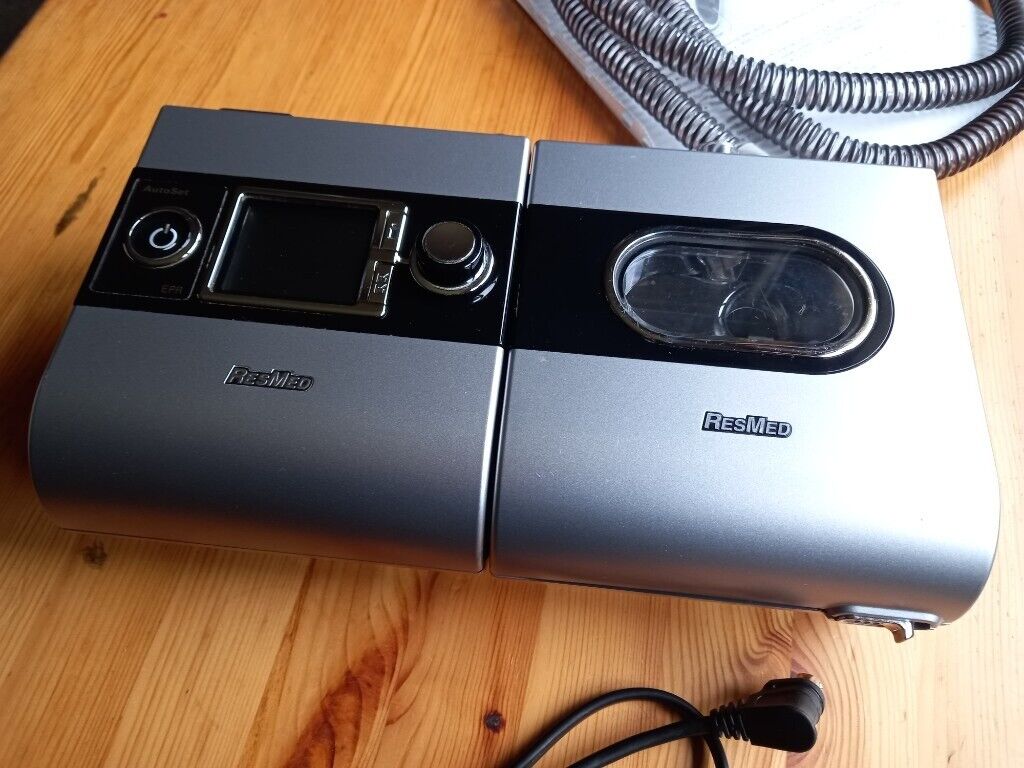
ResMed S9 Autoset CPAP Machine Review
Do you ever just suddenly wake up in the middle of the night gasping for air? Do you find that you are always exhausted during the day? Do you often wake up with headaches and have trouble falling or staying asleep?
All of these are indications that you may be suffering from obstructive sleep apnea, a disorder in which the muscles in your throat block your airway while you are sleeping, forcing you to breathe in short bursts. Having sleep apnea is not an easy condition to live with. It is also possible that it might have a role in the development of health problems such as high blood pressure, heart difficulties, and diabetes.
You will be relieved to know that treatment with Continuous Positive Airway Pressure (CPAP) can help you keep it at bay. Every night, it will help you breathe easier and get a better night’s sleep by blowing pressured air into your airway, preventing your throat from contracting and allowing you to breathe normally again. It even helps with snoring difficulties, which means that you will never again have to worry about waking up your sweetheart in the middle of the night!
See Also: The Best CPAP Machine and Accessories Cleaner Available
However, therapy with CPAP is not as straightforward as taking a tablet every day. If you want to be able to get a good night’s sleep despite using a CPAP machine, you need to look into your options. The ResMed S9 AutoSet CPAP Machine is only one example of the type of CPAP machine that has received several ecstatic reviews on the internet.
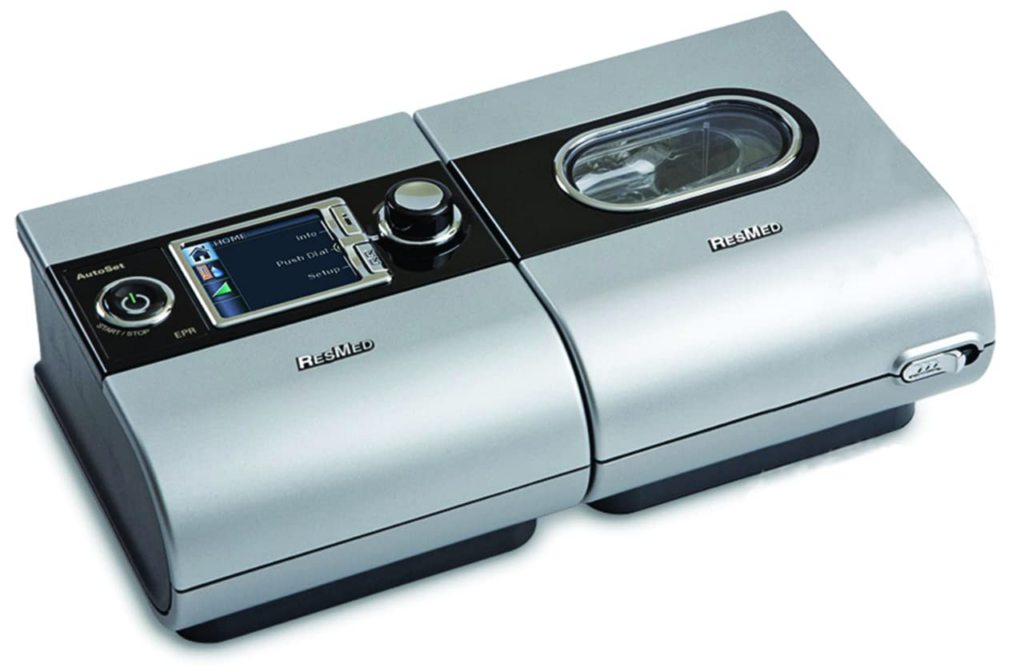
In this review, let us take a more in-depth look at a popular choice among the audience:
Overview
One of the most widely used continuous positive airway pressure (CPAP) machines available today is the ResMed S9, and for good reason. It has a low profile, is simple to operate, and comes highly recommended by both medical professionals and their patients.
In ResMed’s S9 series, the S9 AutoSet is the most advanced and comprehensive auto-adjusting device available. It is equipped with the Easy-Breathe technology, which enables you to maintain your natural breathing pattern even while using the CPAP mask.
This CPAP machine is backed by ResMed, one of the most reputable names in the business, and has a number of accessories and attachments that may all help you breathe easier while you sleep. ResMed is also one of the companies that invented the CPAP machine.
Principal Attributes
- Climate Control Heated Humidifier: The H5i Heated cpap Humidifier provides optimal relief from dryness and congestion by utilising clever humidity management technology. However, you should be aware that this attachment is not required to use your CPAP machine and may be purchased separately as an add-on accessory.
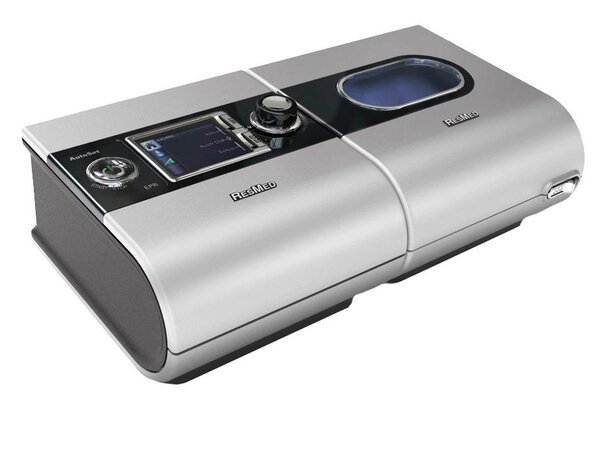
- Intuitive Interface: The gadget features a screen that is completely colourful and has controls that are simple to use. In addition to this, it is simple to set up as long as the directions in the manual are followed. The heated humidifier attachment of the CPAP machine may be removed quickly and conveniently for the purposes of cleaning and transporting the device.
- Smart Start / Smart Stop: ResMed’s Smart-Start and Smart-Stop technologies enable you to automatically start your machine by breathing into the mask. This saves you time and eliminates the need to manually turn it on. Taking off the mask will also result in the termination of your CPAP treatment.
- Mask-Fit System: The ResMed S9 AutoSet CPAP Machine features a Mask-Fit System, which enables the user to first evaluate the fit of the mask before using the device. Because of this, it is simple to determine whether or not there is a leak.
- Easy-Breathe Technology: The ResMed S9 AutoSet automatically changes the pressure so that it only gives the exact amount of pressure that is necessary from breath to breath. This technology is part of ResMed’s Easy-Breathe Technology. Because to this technology, you will be able to breathe through the mask in a manner that is completely natural and unrestricted, just as if you were not utilising a CPAP or VPAP machine at all. There is no need for controllers or switches, both of which may be easy to lose track of.
- SlimLine Tubing: The reduced circumference of the SlimLine tubing helps reduce the amount of drag that is exerted by your mask, which in turn improves the overall fit of the mask and the level of comfort experienced when sleeping.
- Advanced Data Reporting Directly on the Display: On the device itself, the ResMed S9 AutoSet displays an overview of your current sleep apnea treatment settings. The data that was collected includes things like the typical amount of time utilised, the number of hours used, the number of days used, the run hours, and the pressure.
The Pros and Cons of the ResMed S9 AutoSet CPAP Machine
The Positives: The ResMed S9 AutoSet CPAP machine technology adjusts itself breath by breath, just as the needs arises; it is noiseless; the ResMed S9 auto-set CPAP machine has an intuitive design and user-friendly controls which makes it easier for patients to operate and get along with; the ResMed S9 auto-set CPAP machine also has been highly rated by both medical professionals and patients because of its awesome user experience. The machine is very comfortable to use, and it comes with an optional humidifier connection, and with optional heated tubing.
The Negatives: because of the amazing features of the ResMed S9 auto-set CPAP machine, it can become costly for many people to afford, especially if you’re paying for it from your own pocket. If it is not covered by Medicare, it can be out of budget for many people.
At Air Liquide Healthcare, we provide amazing CPAP machine and accessories options for people to treat their sleep apnea condition, if you want more clarity and professional advice about this condition, you should book a consultation session with our sleep specialist today!
… Read MoreRecent Posts
 Home vs. Portable: Can One Oxygen Concentrator Do Both?Home vs. Portable: Can One Oxygen Concentrator Do Both? For many Australians managing chronic respiratory conditions like COPD or emphysema, the quest for the "perfect" oxygen setup often leads to one critical question: Can one oxygen concentrator do […]
 Understanding Your Sleep Study Report: What the Results MeanThis guide explains what those results typically mean, so they can follow the logic of the report before discussing next steps with a clinician. What is a sleep study report actually measuring? A sleep study report explains how they sleep and how their […]
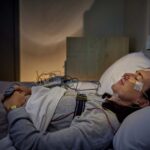 Sleep Apnea Test Adelaide: 5 Signs You Should Book OneIf they live in Adelaide and recognise the signs below, booking a sleep apnoea test is often the fastest way to get clarity and start feeling better. What exactly is sleep apnoea, and why does testing matter? A sleep apnea test Adelaide service is used […]
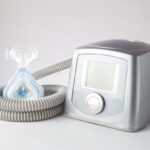 Ultimate Guide to Choosing an Oxygen Concentrator in Australia (2026)ntroduction to Modern Oxygen Therapy For many Australians living with chronic respiratory conditions, maintaining an active lifestyle in cities like Sydney requires more than just medical advice—it requires the right technology. An oxygen concentrator is […]
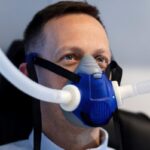 The Best CPAP Mask Options for New Users and What Makes Them ComfortableSleep apnea disrupts breathing during sleep, causing repeated pauses that prevent restful sleep and strain the cardiovascular system. CPAP therapy delivers continuous pressurized air through a mask, keeping airways open throughout the night and enabling […]
- Oxygen Machine for Home Use: A Complete Guide for First-Time BuyersWhat Is an Oxygen Machine and How Does It Work? An oxygen machine for home use, commonly known as an oxygen concentrator, is a medical device that delivers concentrated oxygen to individuals with respiratory conditions. These respiratory therapy devices […]
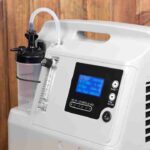 Medical Oxygen at Home: Essential Information on Oxygen Tanks, Machines, and TherapiesIntroduction For individuals with chronic respiratory conditions, such as COPD, asthma, or emphysema, medical oxygen therapy at home is often a critical part of maintaining health and improving quality of life. Whether you need an oxygen machine for […]
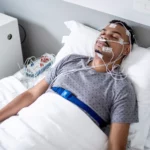 Understanding Sleep Apnea: Causes, Symptoms, and Effective TreatmentsSleep is one of the most vital pillars of good health, but for millions of people, restful sleep is harder to achieve than it should be. One of the most common reasons for poor sleep quality is sleep apnea, a potentially serious sleep disorder that often […]
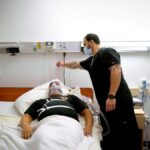 Bulk-Bill Sleep Study Brisbane: Affordable Options for LocalsWhat Are Bulk-Bill Sleep Studies and How Do They Work in Brisbane? Bulk-bill sleep study Brisbane services provide you with direct billing to Medicare, eliminating upfront costs for diagnostic testing. When you receive a bulk-bill sleep study, the […]
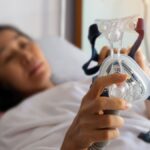 Sleep Apnea Test Adelaide: Early Diagnosis for Better HealthWhat Is Sleep Apnea and Why Is Early Diagnosis Important? Sleep apnea is a serious sleep disorder where your breathing repeatedly stops and starts during sleep. This condition affects millions of people worldwide, yet many remain undiagnosed, missing […]